
When Is Angioplasty Needed? Understanding the Common Signs and Symptoms
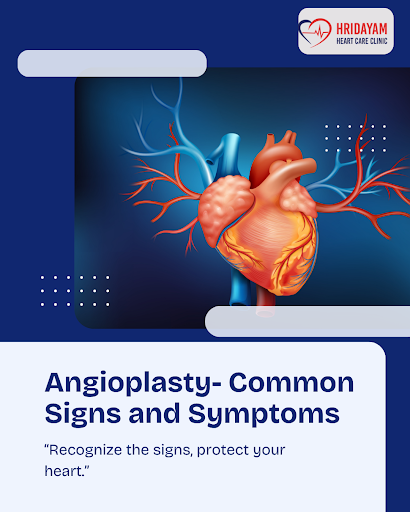
Heart health often goes unnoticed until symptoms become difficult to ignore. One of the major conditions that may require medical attention is the narrowing or blockage of coronary arteries — the vessels that supply blood to the heart muscle. When these arteries are blocked, the heart struggles to get enough oxygen-rich blood, leading to chest pain, discomfort, or, in severe cases, a heart attack.
Understanding when angioplasty may be necessary is crucial for early recognition and timely care. As explained by the Best Cardiologist in Pune, recognising the early warning signs can help prevent complications and maintain effective heart function.
What Is Angioplasty?
Angioplasty, also known as percutaneous coronary intervention (PCI), is a minimally invasive medical procedure designed to restore normal blood flow in narrowed or blocked coronary arteries. It is often performed when medication and lifestyle changes are not sufficient to manage symptoms caused by reduced blood flow to the heart.
During angioplasty, a thin catheter with a small balloon at its tip is guided through a blood vessel to the affected artery. The balloon is then inflated to compress the plaque against the artery wall, widening the passage and allowing smoother blood flow.
The procedure itself doesn’t cure heart disease, but it helps relieve symptoms and improve blood flow, giving patients a better quality of life.
When Is Angioplasty Needed?
Angioplasty is typically recommended when a person experiences symptoms or diagnostic results that indicate significant blockage in the coronary arteries. It is not done for every case of heart discomfort, but it is considered when the blood flow to the heart is severely reduced.
Below are the common signs and conditions that might indicate the need for angioplasty:
1. Persistent Chest Pain (Angina)
One of the earliest and most common signs of reduced blood flow to the heart is angina — discomfort or pressure in the chest that may spread to the neck, shoulders, or arms.
If this pain occurs even during rest or minimal activity, it may signal a severe blockage that needs further evaluation
2. Shortness of Breath
Difficulty breathing, especially during physical exertion, can indicate that the heart is not pumping enough oxygen-rich blood. When this becomes frequent, it suggests a possible restriction in the coronary arteries that may require intervention.
3. Fatigue and Weakness
Unusual tiredness or weakness, particularly during mild activities, can be a subtle warning sign. The heart’s reduced ability to pump efficiently leads to less oxygen reaching the muscles, causing exhaustion.
4. Heart Attack (Myocardial Infarction)
A heart attack happens when blood can’t reach a part of the heart muscle because the flow is fully blocked. Angioplasty is often performed as an emergency procedure in such cases to quickly restore circulation and minimise heart damage.
Time is a critical factor — faster intervention can help prevent permanent damage to heart tissue.
5. Abnormal Stress Test Results
During a cardiac stress test, if the heart shows signs of inadequate oxygen supply under exertion, it may point to narrowed arteries. In such cases, angiography is performed to confirm the blockage, and angioplasty may be recommended based on the findings.
What Happens Before Angioplasty?
Before angioplasty is performed, several diagnostic tests help determine the extent of blockage and overall heart function. These may include:
- Electrocardiogram (ECG): Records the heart’s electrical activity to detect irregularities.
- Echocardiogram: Through the use of sound waves, an echocardiogram captures real-time images that help evaluate the heart’s chambers, valves, and overall performance.
- Coronary Angiography: A special dye and X-rays help visualise blockages in the coronary arteries.
- Blood Tests: Assess cholesterol, cardiac enzymes, and other related factors.
The decision to perform angioplasty depends on the location, size, and number of blockages, as well as the patient’s overall health condition.
What to Expect During the Procedure
Angioplasty is typically done under local anaesthesia with mild sedation. A small incision is made, usually in the groin or wrist, and a catheter is guided to the affected artery. The balloon at the catheter’s tip is inflated to widen the artery, and a stent may be placed to keep it open.
The entire procedure usually takes one to two hours, depending on complexity. Patients are monitored closely afterwards to ensure normal heart rhythm and stability.
Recovery and Post-Procedure Care
After angioplasty, most individuals can return to light activity within a few days. A period of rest, along with heart-healthy habits such as a balanced diet, regular physical activity, and avoidance of smoking, plays a key role in maintaining heart health.
Routine follow-ups and prescribed medications help reduce the risk of recurrence and support long-term recovery.
Lifestyle Awareness and Prevention
Angioplasty addresses the blockage, but the underlying cause — atherosclerosis — often develops over the years. Preventive care remains the foundation of heart health. The following measures can help reduce risk:
- Focus on eating more fruits, vegetables, and whole-grain foods.
- Limit saturated fats, trans fats, and sodium.
- Engage in regular physical activity.
- Maintain a healthy body weight.
- Manage stress effectively.
- Avoid tobacco and limit alcohol consumption.
- Monitor blood pressure, cholesterol, and blood sugar regularly.
These lifestyle choices not only support recovery but also reduce the chance of future artery blockages.
Recognising Subtle Symptoms Early
It’s important to note that heart-related symptoms can vary between individuals. Some may not experience the typical chest pain but instead feel fatigue, nausea, or even mild back discomfort.
Early recognition of these subtle warning signs can make a significant difference. Listening to your body and staying attentive to unusual patterns of discomfort or breathlessness helps in timely diagnosis and intervention.
When to Seek Immediate Attention
Certain symptoms should never be ignored. Seek immediate medical help if you experience:
- A sudden and severe chest pain that persists for several minutes or longer.
- Pain radiating to the jaw, neck, or arm
- Cold sweats or dizziness
- Unexplained shortness of breath
- Nausea or vomiting accompanied by chest pressure.
A quick medical evaluation can be lifesaving in such cases.
Final Thoughts
Angioplasty remains an important medical advancement that helps restore heart function when coronary arteries become narrowed or blocked. While the procedure can relieve symptoms and improve daily life, prevention through healthy habits and early recognition of warning signs is always better than intervention.
The Best Cardiologist in Pune emphasises that understanding these symptoms — and acting on them promptly — can make all the difference in maintaining a healthy heart and preventing severe cardiac events.