
Heart Blockage Without Surgery: Understanding the ESMR Approach
Introduction
Heart disease continues to be a major health concern across the world, with many individuals experiencing symptoms related to blocked or narrowed arteries. Traditionally, surgical treatments such as bypass surgery or angioplasty have been the main approaches to restore proper blood flow. However, in recent years, non-surgical methods have gained attention for their ability to support heart function more gently. One such innovation is ESMR Treatment in Pune, a therapy that uses mild sound waves to encourage better blood circulation to areas of the heart that receive less oxygen.
This non-invasive therapy is being studied and used as a supportive method for those who may not be suitable candidates for surgery. It aims to promote natural healing processes within the heart muscle and improve overall cardiac performance. By focusing on the body’s ability to form new microvessels, ESMR offers a unique direction in the management of chronic heart conditions.
What is the ESMR Approach?
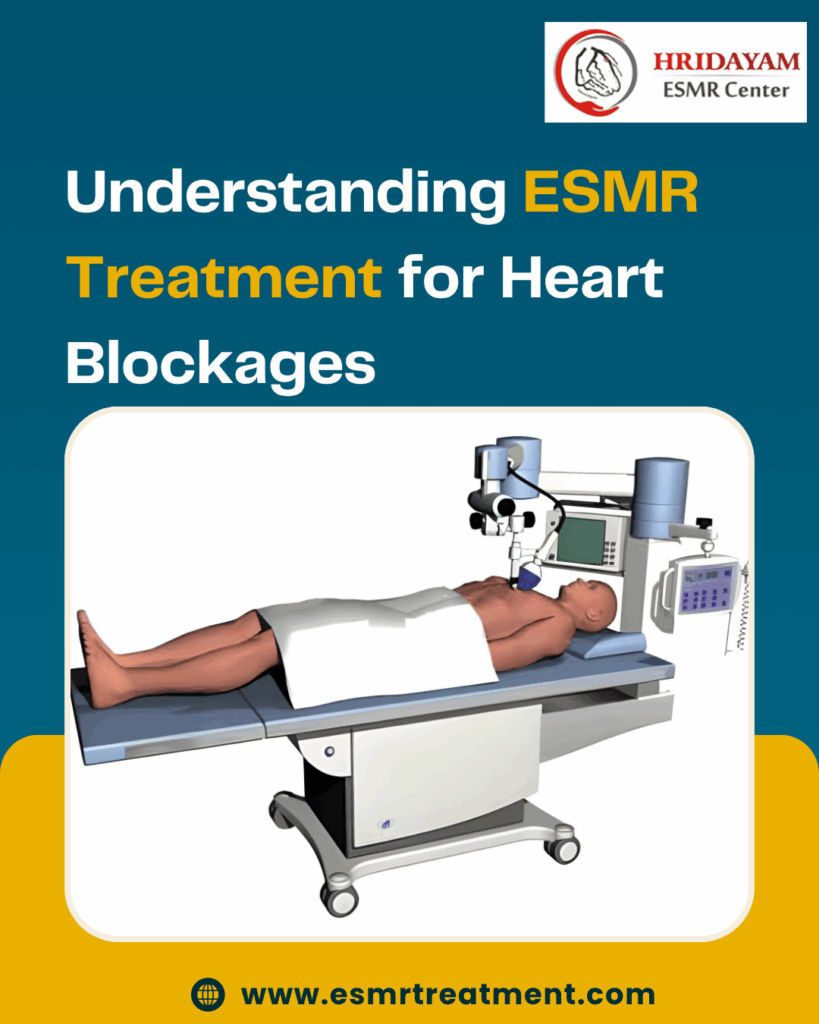
ESMR stands for Extracorporeal Shockwave Myocardial Revascularisation. The term “extracorporeal” means “outside the body,” which highlights that this treatment does not involve surgery or incisions. Instead, low-intensity acoustic waves are applied externally to specific regions of the heart muscle identified as having poor blood supply.
The principle behind ESMR lies in stimulating a natural biological response. The gentle mechanical energy from the sound waves triggers the release of certain growth factors in the heart tissue, which may support the formation of new capillaries — a process known as angiogenesis. Over time, this can help improve oxygen delivery to the heart muscle.
Who Can Consider ESMR Therapy?
ESMR may be considered for individuals with chronic coronary artery disease who continue to experience chest discomfort or fatigue even after taking prescribed medicines. It may also be suitable for patients who are not candidates for surgical interventions due to other health conditions or advanced age.
This therapy is not meant to replace emergency cardiac procedures but rather serves as a supportive approach that focuses on long-term improvement in heart circulation and comfort. The goal is to help enhance oxygen supply to the heart tissue naturally and potentially reduce the recurrence of chest pain.
Benefits of the ESMR Approach
While individual outcomes can vary, the ESMR approach may offer several potential benefits, including:
- Enhanced blood flow: Stimulation of natural vessel growth can support improved oxygen supply.
- Reduced chest discomfort: Some patients report fewer angina symptoms after multiple sessions.
- Non-invasive process: No surgery, anaesthesia, or hospital stay is required.
- Comfortable experience: Sessions are typically painless and well-tolerated.
- Supportive role: Can be combined with other standard heart treatments for better outcomes.
The greatest strength of ESMR lies in its focus on the body’s internal healing capacity rather than relying solely on surgical correction.
Treatment of Heart Blockage Without Surgery
Modern medical science has made it possible to manage certain types of heart blockages without the need for traditional surgery. Treatment of Heart Blockage Without Surgery includes several approaches such as medication, dietary adjustments, exercise, and advanced non-invasive techniques like ESMR therapy.
The main objective of these therapies is to improve blood flow to the heart, minimise symptoms, and enhance daily functioning. Such approaches can be valuable for individuals who are unable to undergo bypass surgery or angioplasty or prefer less invasive alternatives. Each case, however, requires a careful medical evaluation to ensure safety and suitability.
ESMR vs. Traditional Surgical Options:
Aspect
ESMR Treatment
Surgical Methods (Bypass/Angioplasty)
Nature
Non-surgical, external sound waves
Invasive procedures with incisions
Hospitalization
Usually not required
Often requires a hospital stay
Anesthesia
Not needed
Required
Recovery Time
Quick return to routine activities
Recovery may take several days or weeks
Focus
Encourages natural blood vessel growth
Physically restores blood flow
Both ESMR and surgical treatments have their respective roles in cardiac care. The choice depends on the patient’s condition, medical history, and overall risk factors. ESMR is particularly valuable for those seeking non-invasive approaches or for patients in whom surgical options may carry a higher risk.
Precautions and Considerations
Although ESMR is generally regarded as safe, it may not be suitable for every patient. Individuals with pacemakers, unstable heart rhythms, or recent cardiac events should be carefully evaluated before undergoing this therapy.
Each person needs to have a thorough medical examination, including imaging and cardiac assessments, before starting ESMR. Regular follow-up visits and adherence to prescribed medications remain vital for maintaining heart health, even when non-surgical treatments are explored.
Lifestyle and Heart Health
Therapies like ESMR work best when combined with a heart-healthy lifestyle. Simple steps can make a major difference in long-term cardiac wellness:
- Eat a balanced diet rich in fruits, vegetables, and whole grains.
- Maintain regular physical activity as recommended by your doctor.
- Avoid smoking and limit alcohol consumption.
- Manage stress through relaxation and mindfulness.
- Get regular heart check-ups and monitor blood pressure and cholesterol levels.
By focusing on these lifestyle factors, individuals can strengthen their overall heart health and support the effects of therapies like ESMR.
Scientific Perspective on ESMR
Research studies continue to explore how ESMR influences heart function and circulation. Early findings indicate improvements in oxygen delivery and a reduction in angina symptoms among certain patient groups. The therapy’s non-invasive nature makes it an attractive area of ongoing medical interest, especially for chronic heart disease management.
These observations highlight how technology and biology cn work together to support heart recovery in ways that are gentle yet meaningful.
Conclusion
Advancements like ESMR Treatment in Pune represent a growing shift toward non-surgical approaches for improving heart health. This method uses low-intensity sound waves to stimulate natural blood vessel growth, supporting oxygen delivery to the heart muscle. It stands as a valuable option for individuals who may not be candidates for traditional surgery and are looking for safer, less invasive methods to manage heart blockages.
While it is not a replacement for surgery in all cases, ESMR symbolises a thoughtful direction in modern cardiac care — one that emphasises natural healing, patient comfort, and long-term heart wellness under medical guidance.