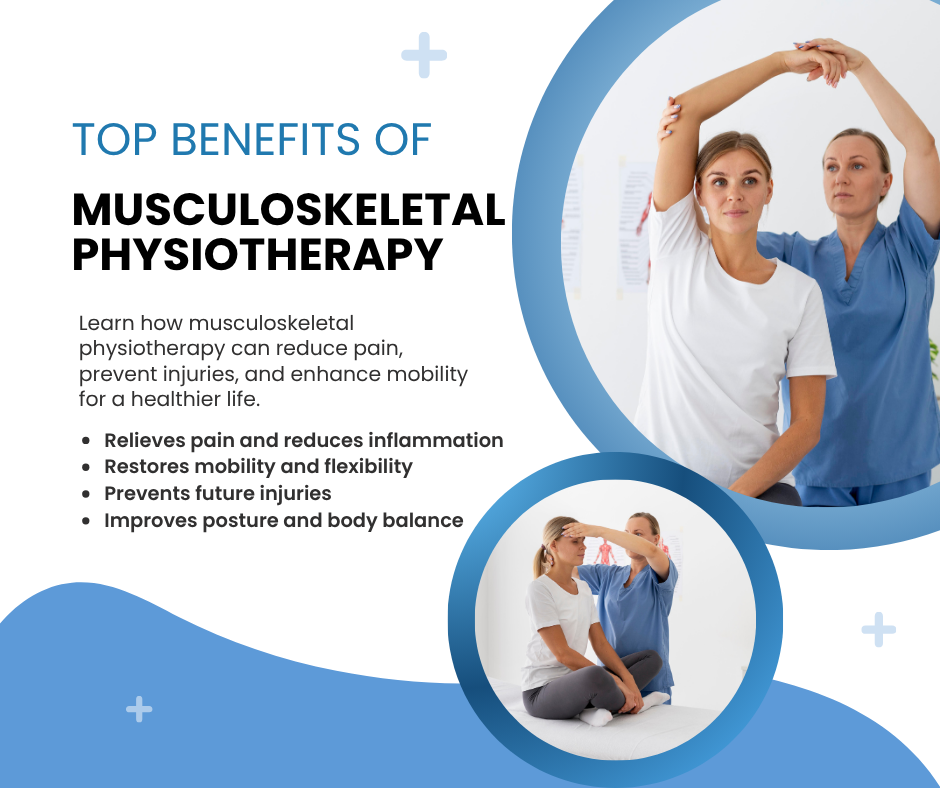
Top Benefits of Musculoskeletal Physiotherapy for Everyday Pain and Injuries
Introduction
Everyday pain from long working hours, poor posture, or minor injuries can slowly affect comfort and mobility. Many people experience joint stiffness or back pain but often ignore it until it limits their daily activities. For those looking for expert physiotherapy options, clinics offering musculoskeletal physiotherapy in Sinhagad Road provide evidence-based care that focuses on movement restoration, pain relief, and long-term body balance. This approach helps individuals recover naturally and enjoy a more active, pain-free lifestyle.
What Is Musculoskeletal Physiotherapy
Musculoskeletal physiotherapy is a specialized branch of physical therapy that focuses on treating the muscles, bones, joints, and soft tissues. It helps in restoring movement, reducing pain, and improving strength after injuries or long-term strain.
Common conditions treated through this therapy include:
• Back and neck pain
• Muscle stiffness or tightness
• Sports injuries and sprains
• Joint pain and inflammation
• Postural and work-related issues
This type of physiotherapy is suitable for people of all ages and lifestyles, from athletes to office workers, as it helps the body recover naturally without relying on long-term medication.
Top Benefits of Musculoskeletal Physiotherapy
Reduces Pain and Inflammation
Through manual therapy, joint mobilization, and targeted exercises, physiotherapy helps relieve pain by improving blood flow and muscle flexibility. It reduces inflammation in affected areas and promotes healing, offering long-term comfort.
Improves Mobility and Flexibility
Many people experience limited movement due to stiffness or injuries. Musculoskeletal physiotherapy helps restore flexibility and range of motion, making daily activities like walking, bending, or lifting easier and pain-free.
Prevents Future Injuries
Physiotherapists not only focus on recovery but also on prevention. By identifying weak areas, correcting posture, and improving muscle strength, this therapy minimizes the chances of future injuries or recurring pain.
Aids in Faster Recovery After Surgery or Injury
For those recovering from surgeries, fractures, or ligament tears, physiotherapy plays a crucial role in regaining movement and stability. Personalized exercises help rebuild strength and speed up the recovery process safely.
Enhances Posture and Muscle Balance
Poor posture can lead to chronic back and neck pain. With regular physiotherapy sessions, individuals learn the correct way to sit, stand, and move. Over time, posture improves, muscles strengthen, and strain on the spine reduces significantly.
What to Expect During a Physiotherapy Session
A typical session begins with an initial assessment where the physiotherapist identifies the cause of pain or limitation. This may include checking posture and body alignment, assessing range of motion and flexibility, and designing a customized exercise plan. Manual therapy and other treatment methods are then applied according to individual needs.
Sessions are designed to be comfortable, progressive, and tailored to each person’s lifestyle and physical condition. Many clinics offering musculoskeletal physiotherapy in Sinhagad Road use advanced techniques and equipment to help patients recover effectively. To ensure the best recovery and guidance, it is important to consult the
best physiotherapist in Sinhagad Road, who can personalize treatment according to your specific condition and goals.
Maintaining Results at Home
The benefits of physiotherapy last longer when combined with healthy habits at home. Here are a few tips:
Practice stretching and strengthening exercises regularly
• Maintain an ergonomic sitting posture while working
• Take short movement breaks during long sitting hours
• Follow your physiotherapist’s exercise routine consistently
By staying active and aware of body posture, you can maintain results for years and avoid recurring discomfort.
Conclusion
Musculoskeletal physiotherapy is not just about easing pain; it focuses on helping your body move and function better every day. Whether you are dealing with long-term stiffness, muscle tightness, or recurring injuries, the right treatment can make a big difference. People looking for reliable care can consider clinics that offer musculoskeletal physiotherapy in Sinhagad Road, where expert physiotherapists design customized sessions to improve mobility, strength, and overall comfort. It is a simple yet effective way to move better, feel better, and live without limits.
Frequently Asked Questions (FAQs)
What is the main goal of musculoskeletal physiotherapy?
The main goal is to restore normal movement, reduce pain, and improve the body’s overall function after injury, strain, or postural problems.
How long does it take to see results from physiotherapy?
Results depend on the condition and severity. Many people notice improvement within 3–5 sessions, while chronic issues may take longer.
Can physiotherapy help with back and neck pain caused by sitting for long hours?
Yes. Physiotherapy helps correct posture, strengthen weak muscles, and relieve stiffness caused by prolonged sitting or poor ergonomics.
Is musculoskeletal physiotherapy suitable for all age groups?
Absolutely. It benefits people of all ages—from children with posture problems to older adults recovering from injuries or surgeries.
How do I choose the right physiotherapist?
Look for the best physiotherapist who has experience in musculoskeletal conditions, offers personalized assessments, and provides evidence-based treatment plans
About the Author
Dr. Priyanka Vibhute (PT, MPTH)
Dr. Priyanka Vibhute is an experienced physiotherapist based in Sinhagad Road. She has expertise in treating a wide range of conditions related to the musculoskeletal and nervous systems. Her areas of practice include orthopaedic rehabilitation, sports injury management, pre and post-operative rehabilitation, cardiac and respiratory physiotherapy, and electrotherapy.
She follows an evidence-based approach and focuses on helping individuals improve mobility, manage pain, and restore functional strength through personalized physiotherapy care.